
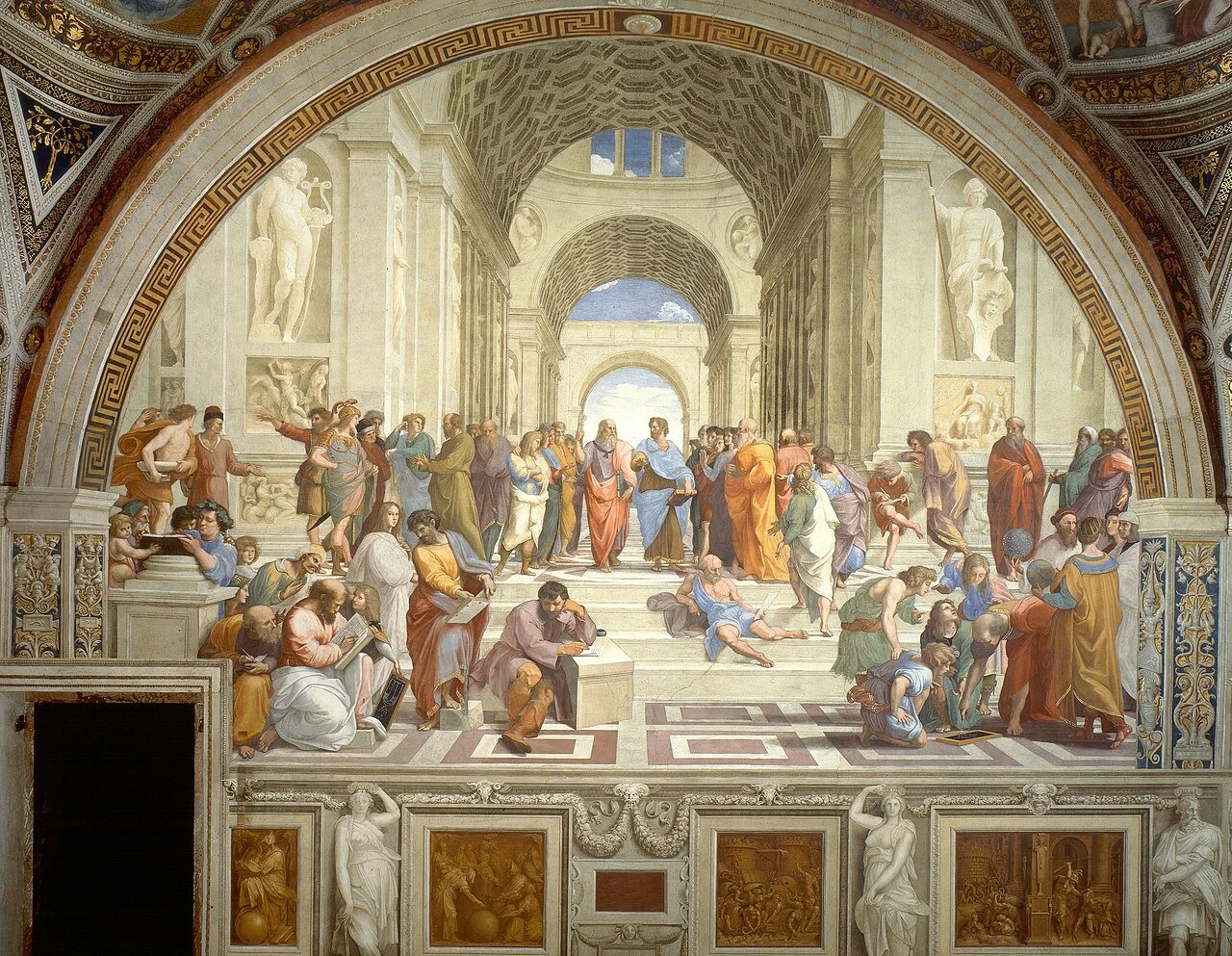
Pondering the Depths: On Philosophizing
Most individuals encounter the enigmatic realm of philosophy during their youth, yet its profound depth and significance often remain elusive until much later in life. Imagine a young mind, grappling with the mysteries of existence, slowly unraveling the philosophical tapestry that shapes our understanding of the world. Centuries of intellectual exploration have woven philosophy into the very fabric of our existence, challenging assumptions and venturing into the depths of human thought.
Picture dusty tomes that once held the musings of philosophers like Plato and Nietzsche, now waiting to be unlocked. But let's not confine philosophy to the academic corridors. It's more than that; it's an exhilarating journey, a love affair with wisdom that transcends the pages of history. As Bertrand Russell eloquently puts it, "The man who has no tincture of philosophy goes through life imprisoned in the prejudices derived from common sense... Philosophy... is able to suggest many possibilities which enlarge our thoughts and free them from the tyranny of custom."
Engaging with philosophical perspectives is not about blindly accepting the pronouncements of great minds; it's a vibrant dance with thought experiments and works of art. It's intellectual enjoyment and personal growth, a journey of self-discovery paved by countless others who have walked this path. As we delve into their ideas, we are not just readers but explorers with a roadmap for navigating the uncharted territories of our minds.
Imagine common sense and life experience leading us down a well-trodden path. Philosophy, however, is the rebellious voice challenging this complacency. It urges us to question narratives, to break free from the shackles of unquestioned assumptions. This introspection is not just empowering; it's the forge where our own beliefs and values are shaped, a process that demands awareness of the biases inevitably coloring our perspectives.
Now, let's equip ourselves with the tools philosophy offers:
Sharpen your critical thinking skills, honing the ability to read, write, listen, and solve problems.
Think deeply and independently about your convictions, commitments, and values.
Identify and challenge your own assumptions, recognizing the kaleidoscope of perspectives that exist.
Construct well-reasoned arguments and critically evaluate information and beliefs.
Appreciate the complexities of existence and develop confidence in expressing your unique viewpoints.
But wait, you might wonder, why ponder these seemingly unanswerable questions? Some argue that a life devoid of philosophical musings is perfectly valid. Yet, as Socrates would remind us, "The unexamined life is not worth living." To remain stagnant, content with unquestioned assumptions, is to deny ourselves the richness and depth that an examined life offers.
Philosophy might be seen as an attempt to rationally justify our pre-existing beliefs, a journey that either reinforces or challenges them. It's not just an intellectual exercise but a test drive of established wisdom, a refining of critical thinking skills, and an indispensable tool of personal enlightenment. As we ponder the relationship between our thoughts and reality, we grapple with the ambiguity inherent in language and the subjective nature of certain concepts.
Epictetus wisely advises, "Never proclaim yourself a philosopher; nor make much talk among the ignorant about your principles, but show them by actions." Philosophy's true value lies not just in pronouncements but in the transformative actions it inspires, the impact it has on our lives.
Yes, philosophy may seem "profoundly useless," as Martin Heidegger argued, but therein lies its unique power. Its uselessness is an integral part of its essence, offering enrichment through contemplation and reflection. Philosophy, at its core, is a lens through which we understand ourselves and our place in the world. It contextualizes our experiences, helping us define what truly matters and infusing our lives with meaning. To the great minds, ideas never run out, and so the pleasure gained is infinite, as Schopenhauer wisely notes.
In a world teeming with distractions, prioritizing time for reflection might seem like a luxury. Yet, it is this very act of intellectual engagement that separates us from mere existence and elevates us to the realm of true living. To ponder is to embrace the inherent wonder of existence, to engage in a lifelong pursuit of wisdom, and ultimately, to discover the meaning that makes our lives worth living.